PROVEN EXPERTISE IN PROCESS BASED RESTORATION
OUR MISSION:
Swift Water Design restores ecological function to degraded landscapes while empowering people to revitalize themselves, their communities, and the more-than-human world
Process Based Restoration
Process Based Restoration is the art and science of removing ecosystem constraints, then manipulating on-site materials and energy, using human power, to improve the ecological function of a landscape until it becomes dynamically meta-stable and self-regenerating.
More simply put, we create resilient ecosystems that improve land value, biodiversity and fire resiliency, wherever your land may be.
SWIFT WATER DESIGN IN ACTION
OUR APPROACH
Riverscapes are dynamic systems. Any attempt to create a stable form within a dynamic system is destined for failure in the long term. So, rather than fight the site, we start with a holistic, systems-thinking approach and consider the watershed as a whole – its source problems, hominid manipulation, topography, sediment availability, hydrograph, forest health, soil type, fire history, everything. Process Based Restoration offers a holisitic approach to this end.
Only then do we consider design, and do so by carefully observing what opportunities and limitations the site provides, looking for the least change for greatest effect, and keeping budgets and timelines in mind.
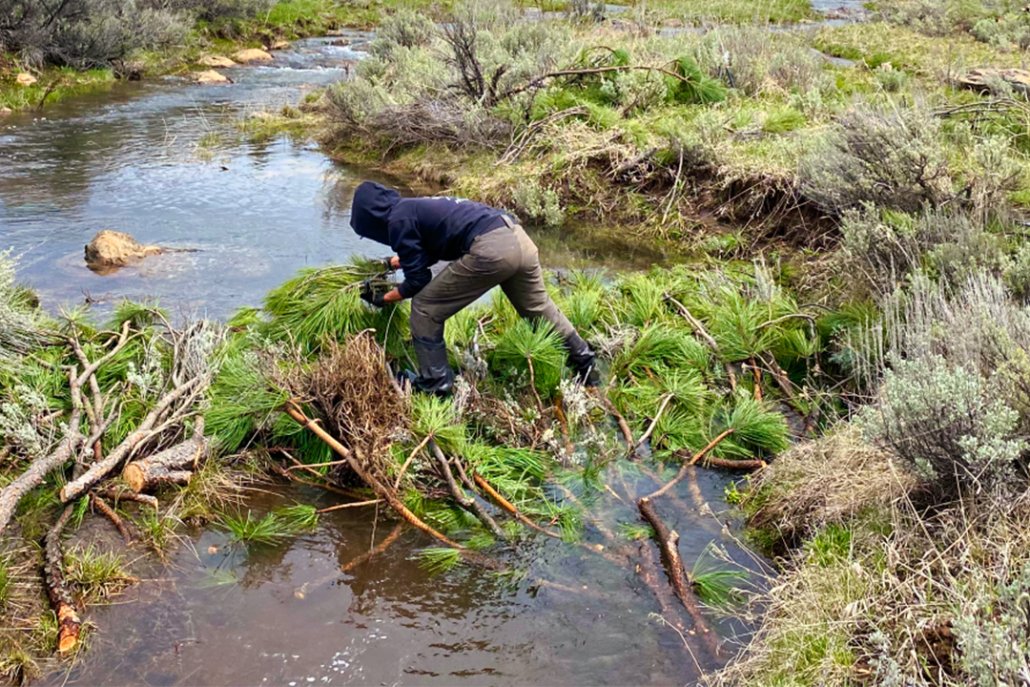
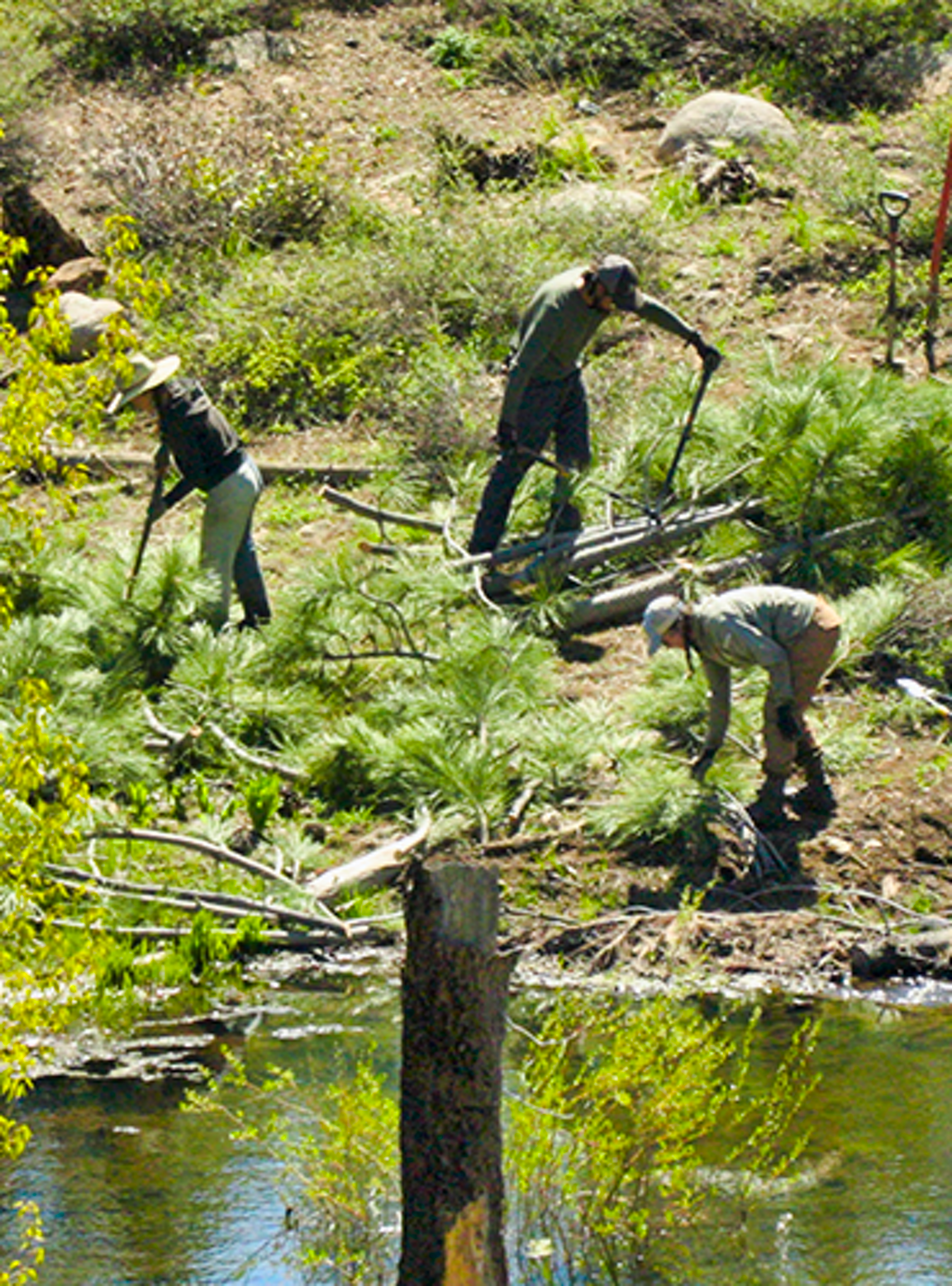
When it’s time to build, we’re thinking about how beavers use the materials they can fell and move with the tools they’ve got—teeth and paws. We’ve found that if we limit our tools to what humans can carry to the site, the system then determines the appropriate scale of what we build. By accepting limitations instead of resorting to brute force, we evolve our systems in harmony with the dynamic riverscapes we serve, which keeps our overhead significantly lower than diesel-reliant methods.
Finally, there has to be a succession plan for long-term stewardship, and it’s our belief that the life and energy on the site needs to be a self-sustaining ecosystem that doesn’t require ongoing human inputs. Those inputs are dependent on 3-year grant cycles, 4-year election cycles, 5-year permits, the average 5 to 6 years Americans spend in one place before moving, and all the other truncated time horizons we’re currently dealing with, and so cannot be relied on.
OUR SERVICES
Project Design & Implementation
Field Training
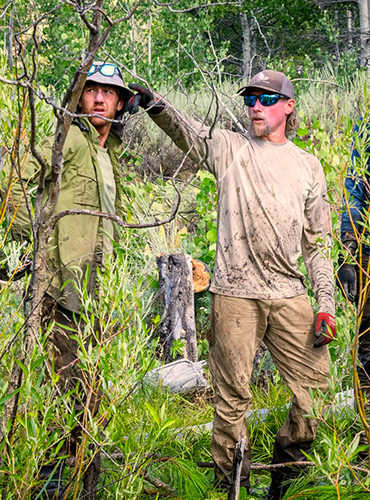
Grab your boots, come on out, and get muddy with the best teachers in the business
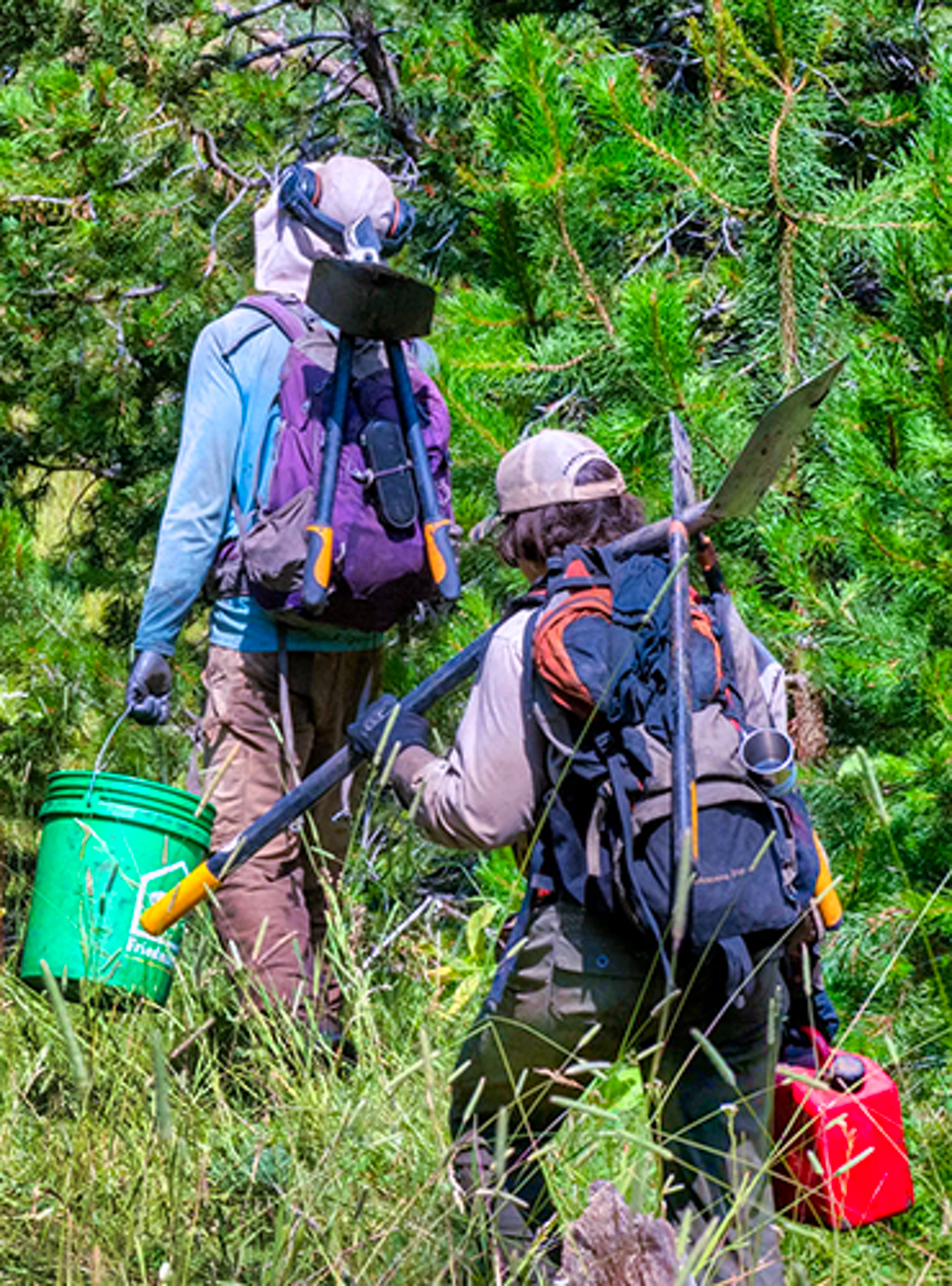
Fuel Load Reduction
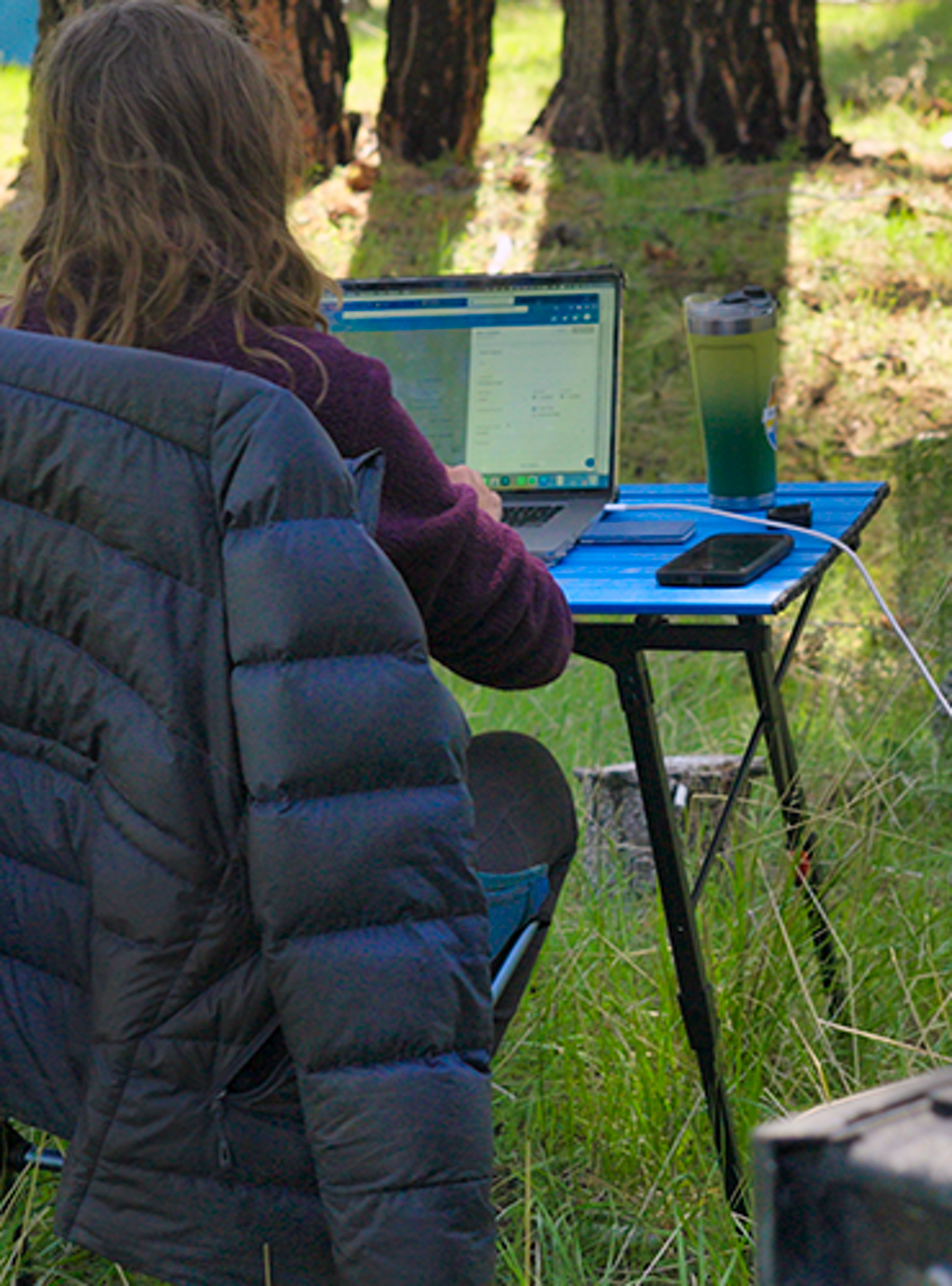
Project Management & Consulting
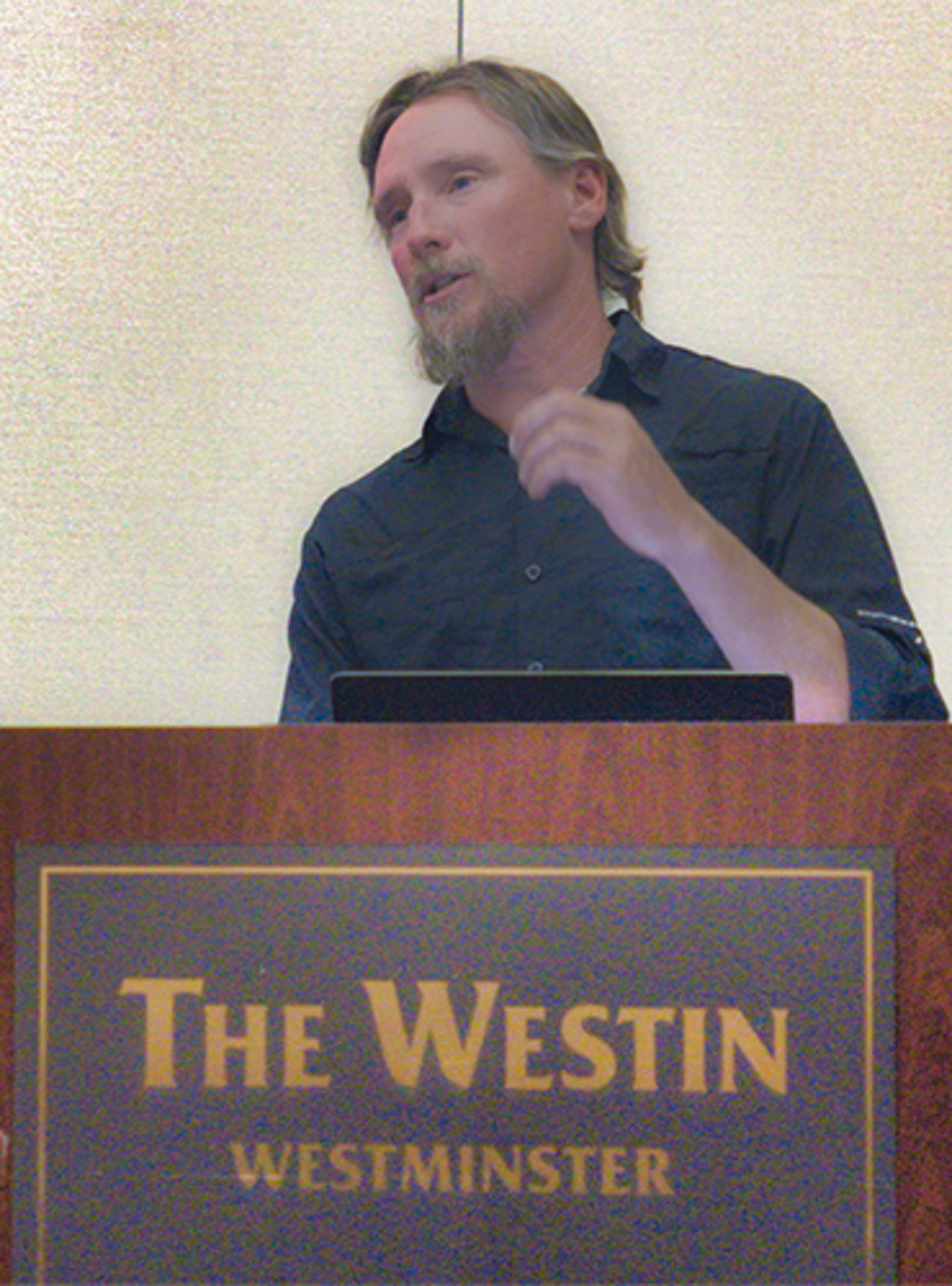
Thought Leadership & Public Speaking
PROJECTS
SWIFT WATER DESIGN IN MEDIA


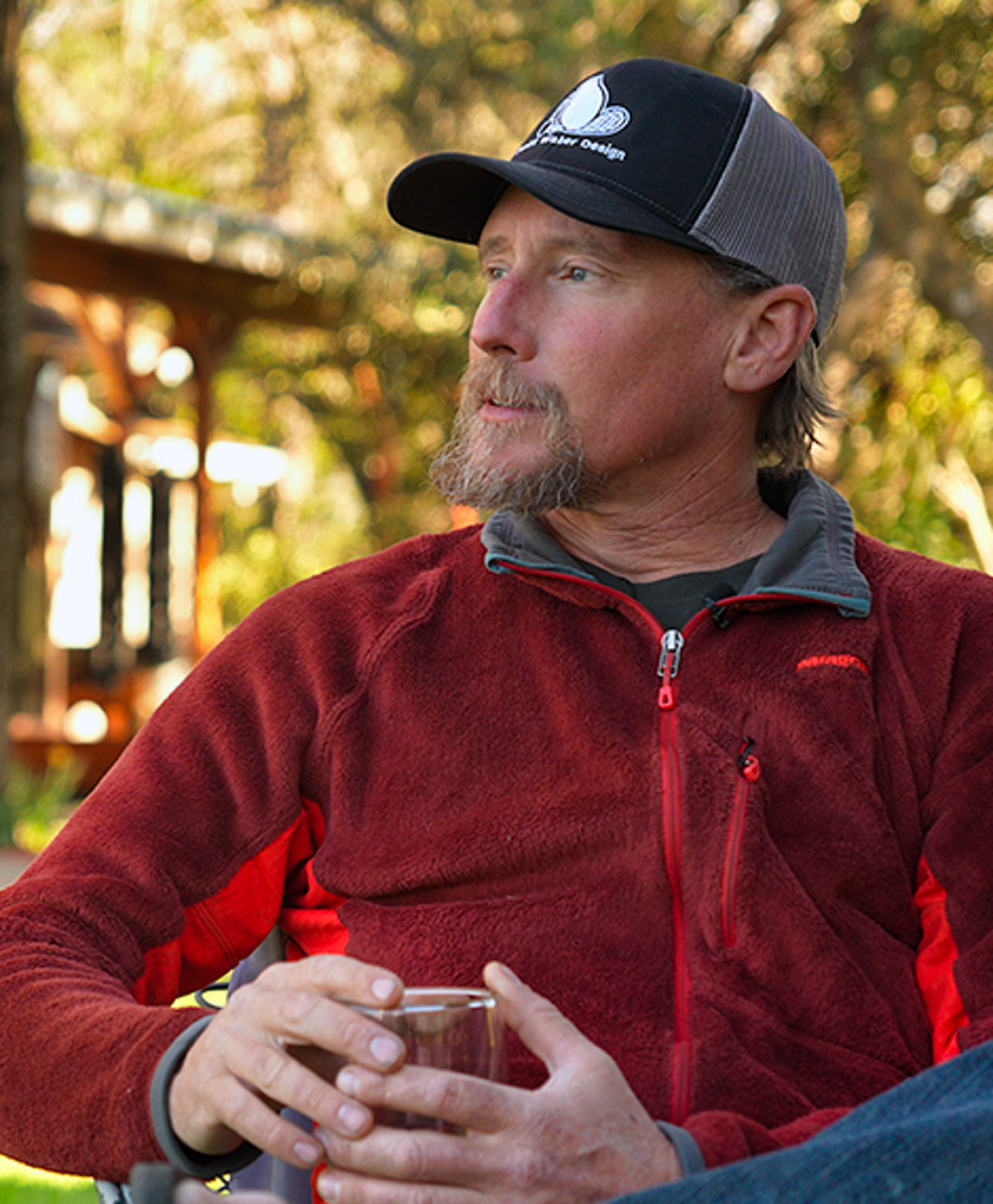
Kevin Swift, owner of Swift Water Design, has dedicated his career to restoring meadows in the Sierra Nevada — specifically one a few miles above Shaver Lake called the Lower Grouse Meadow, which was severely affected by the 2020 Creek Fire. As a result of the fire, that area is surrounded by barren hillsides and blackened, charred pine trees. Swift and his team managed to restore this meadow by building small dams along a stream — replicating what animals would have done.

It would be an understatement to say that Kevin Swift loves the outdoors. Swift, slender, goateed and with a dirty blond ponytail, has built a company— and career —out of emulating a furry, charismatic woodland mammal. Here’s a hint: he forages for tree limbs and mud to build dams.
“We’re pretending that we’re beavers,” Swift said. “A thousand percent.” Swift restores meadows and other habitats that have been damaged and destroyed. On a recent day, he stood at a meadow he helped to restore, just a few miles above Shaver Lake in the Sierra Nevada.
FAQ
Removing ecosystem constraints means correcting human land use patterns that limit the ecological function of a landscape—things like levees, road crossings, overgrazing, legacy fire suppression effects, ditching, etc.
On-site energy and materials are just that: energy is solar power from the sun shining on the site, vegetative power from the miracle of photosynthesis, the discontinuous but mighty power of flowing water, occasional human interventions, and ideally the biological power of beavers.
Materials are the trees, plants, soil and rocks already present, that the energy works with and on to create a diverse habitat mosiac with room for everybody.
Ecological function is the ability of a landscape to support the maximum possible species diversity and richness.
Dynamically meta-stable and self-regenerating is just a fancy way of saying that when a project is done, it won’t need us to keep “adaptively managing” it forever. You take the training wheels off, set up a bunch of camera traps and vegetation transects, and watch the magic happen, without losing sleep.
We can travel anywhere if the ecological lift of a project justifies the carbon burn, but have been focused on western ecosystems: montane streams, sagebrush steppe, riparian corridors, meadows, and semi-arid watersheds.
The longer answer is that if a project requires continual, perpetual “maintenance”, then it failed at the design phase. Having to work forever just to get to zero is no way to fix our landscapes, and eventually the project will run out of money, patience, political will, or some other factor. So we don’t even use the word maintenance.
A better way to describe the work is project development, site evolution, or even phased implementation (boring!). Each round of implementation should get easier, faster, cheaper, and lighter touch, as the site recovers and starts to do more of the work—incoming sediment deposits and helps heal incised channels, willows grow in, groundwater rises, conifers drown and admit more light for riparian species, and so on.
Think of it like a conversation with a riverscape. We say “Hello” by opening up freedom space for the river, and building the initial structures. The river responds with “Yes, no, a little more over there, maybe add a tree here, and how about some fire”, and we respond again, “OK, and how about another log jam here and would you like to access this remnant channel?”
As the landscape starts to become autonomously regenerative, we adjust and ultimately reduce our inputs to zero when the site is ready, and shift to long-term monitoring.
A quick rap our on monitoring protocols: Before and after the project, put on your flip flops and fire up Avenza, walk the channels and get total length and a difluence count, walk the wet/dry perimeter and get acreage, kick back in the middle of the project for 20 minutes with Merlin counting birds for you, if you’re a botany nerd do a xeric/wetland comparison, and when you get home grab Sentinel-2 NDVI and look for change.
Unless your site is huge, you should be able to pull that off in a day, and a well-designed and properly implemented process-based restoration project that has water should have measurable lift on the first 3 metrics in a matter of days. If you’re working in the dry, of course it’ll take longer.
OUR STORY
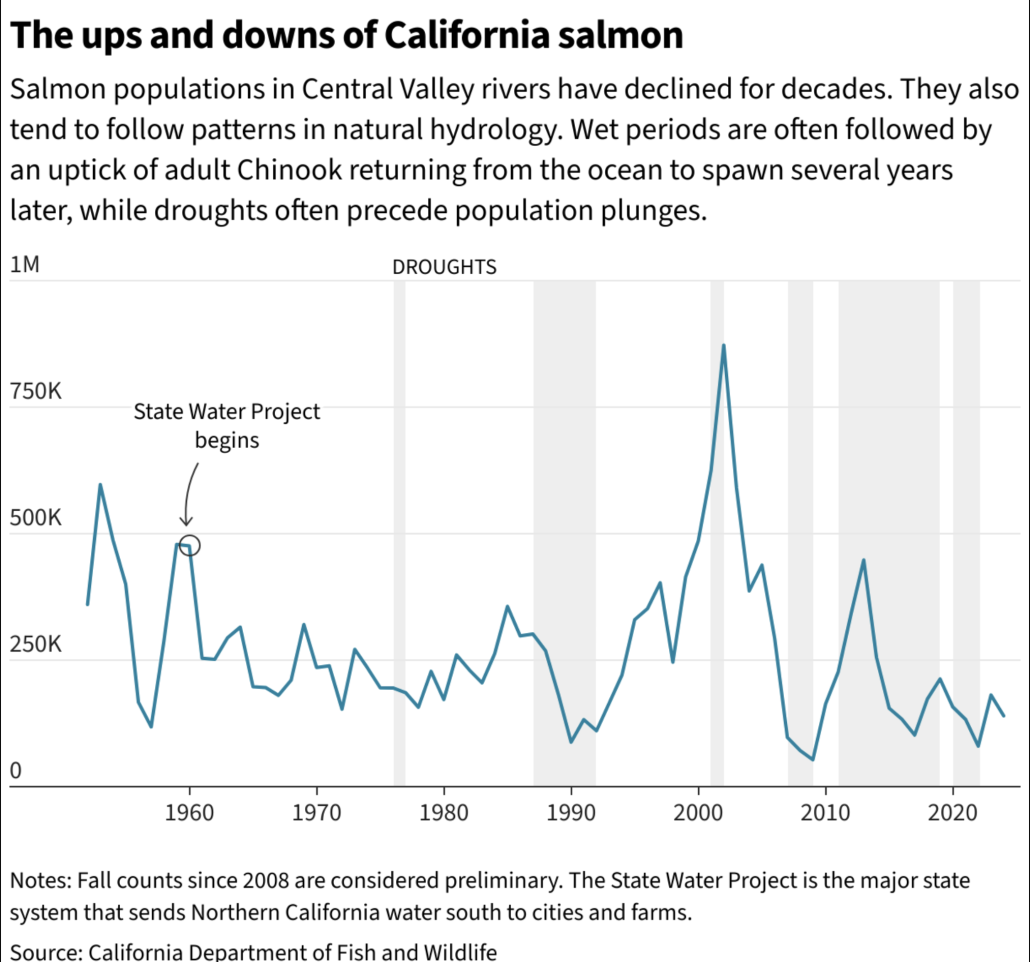
I met her during the California drought, when nobody knew how long it would last and the possibility of losing an entire spawning year was very real. Salmon fishermen were going broke, the reservoirs were at record low levels, and the drought monitor was dark, dark red. That winter I’d started walking to the little creek a few minutes from home, looking at the water levels and checking out the fish. I’d seen a few good-sized steelhead, but no redds and no spawning activity, and the creek was starting to drop. It looked pretty bad.
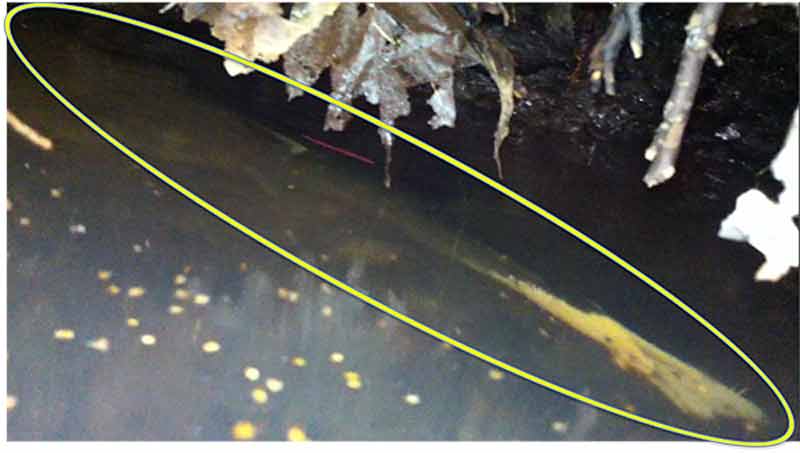
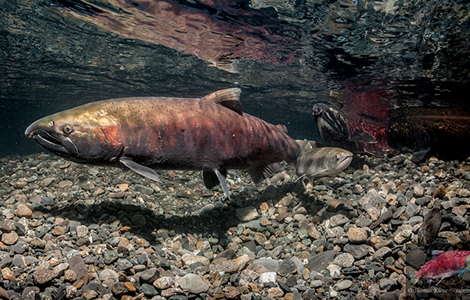
Then one evening just as the daylight was failing, I saw my fish. She was a Coho salmon adult with a hatchery tag and a beat-up tail, in this little eddy under a log jam, all alone. They’re endangered, so I was pretty excited to see her, but worried there were no others.
After a journey we still don’t understand, through thousands of miles of ocean, braving trawler nets and predators and pollution and myriad other terrors, she was dying alone.
Then one day I came down and she was gone, and I had this awful realization that this could be the very last Coho salmon my home stream would ever see.
Extinction wasn’t just at my front door. It had kicked in the door and was staring me in the face.
And I couldn’t let it go. I still can’t. I am haunted by that fish. Of course my first thought was that I had to do something.
I read up on different stream restoration modalities, and the complexity of the paperwork and regulatory burden involved, and the cost of equipment, and my shocking ignorance of how it all worked, left me dismayed.
I’m a pretty simple guy at heart. I like fixing things, so I just wanted to grab a shovel and get started, but I couldn’t see how to succeed in an ecologically sound fashion on any kind of sane timeline. Enter the beavers.
Luckily, at the time my partner Kate was working to establish that beavers were native to California, and I got to help out researching and observing beavers. I understood very quickly that they’re better than we will ever be at fixing broken streams.
So I decided to help them do what they’re good at, and help people learn to live with them.
I traveled to Massachusetts to learn about non-lethal beaver management from Mike Callahan, who runs The Beaver Institute, and he kept telling me, “Don’t quit your day job”, and so I didn’t.
I kept learning about beavers, and grinding at my day job, and saving money to get the business going, and in June of 2018 I formally launched the business and went full time. Since then we’ve grown to a team of 20, built 6200+ structures on over 108 miles of streams, and gotten to work in some of the most beautiful areas imaginable.
There’s nothing better than doing good work to heal our world, our waters, and the critters that depend on them—especially the Coho salmon, may they return to our streams forever.